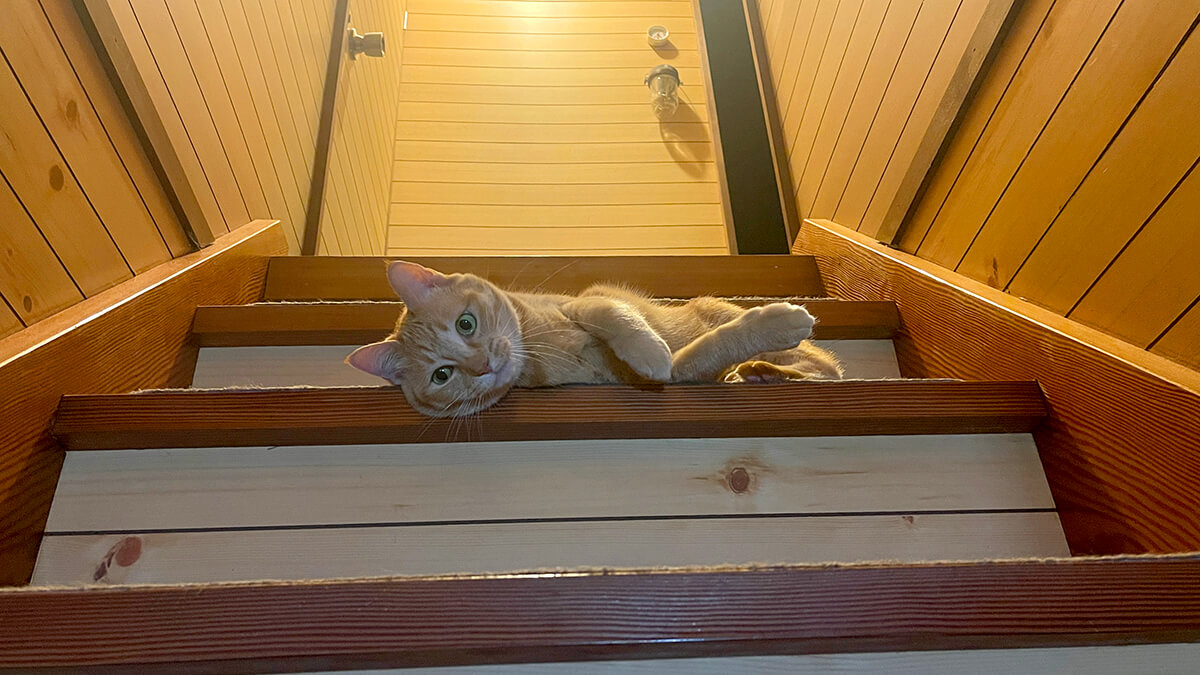
This is what I do, not a prescription. Nothing here is health advice, and the effects I describe are my own impressions rather than measurements.
Mornings used to be for sleeping through.
Originally published in Japanese on March 1, 2025. This English version was written in September 2026.
I worked through the night, sat in front of screens until late, and then could not get to sleep.
With hindsight it is obvious. I was working inefficiently and I was not in a good state.
Getting out of that started with waking up early, and alongside it, a morning routine.
The routine did a lot of the work
How I came to start getting up early is a separate story, written up in an account of finally becoming a morning person in my forties (in Japanese).
Switching to mornings steadied me noticeably. Something like optimism turned up nearby.
Work benefited, and so did everything outside it.
The reason for getting up early in the first place was to put the hours when my brain runs cleanly onto the things I want to do and the work I need to do.
Not doing the things you need or want to do is bad for your state of mind. And in that state, more things pile up, and the irritation compounds.
The routine exists to get those things done. It has genuinely helped.
What I actually do
I get up somewhere between five and six.
I started this in winter, so it is pitch dark outside. Dark and cold was fairly bleak at first.
I still register the dark, but I get up rather than negotiate with myself about it. From the bedroom to the kitchen, and about three cups’ worth of water into the kettle.
The first cup goes in lukewarm, for rinsing my mouth out. The second is sayu — plain hot water, drunk on its own, which is an ordinary morning habit in Japan — and I drink it standing there. The third I make into herbal tea and carry through to the work room.
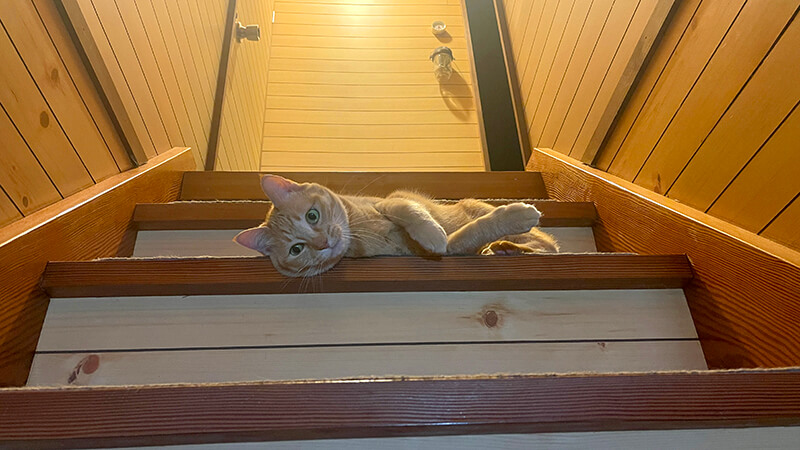
From here it is the part I still reorder and adjust:
- Bamboo foot stepping (5 min)
- Strength work (5 min)
- Journaling (5 min)
- Meditation (5 min)
- Reading (10 min)
- Study (60 min)
1. Bamboo foot stepping (5 min)
Before I sit down, I stand on the bamboo. Aotakefumi is a length of green bamboo split lengthwise, laid flat side down, that you step on to press the arches of your feet — a long-standing household habit in Japan, and about as low-tech as it gets.
Five minutes of grinding away, thinking about nothing.
It may hurt at first; you get used to it quickly and then it feels good. Together with the hot water it feels like something is being flushed through — that is a sensation, not a physiological claim, and I would not defend it as one.
2. Strength work (5 min)
This is for waking up rather than for training. Moving a little lifts my mood.
I do proper strength sessions twice a week, so the morning is just some light abdominal and back work.
I did consider a walk outside, but winter is cold and dark and I knew I would drop it the first time it rained. Doing what I can keep doing is the whole trick, at least for me.
3. Journaling (5 min)
I write down what I am thinking. By hand, which matters to me.
First, three good things from yesterday, as bullet points. Then whatever is on my mind or whatever I want to do, as it comes.
No attention to style. No stopping to decide what to write — the pen keeps moving.
Putting it into words clears it out.
I have been doing this on and off since I was about thirteen — never daily, but never entirely dropped either. Odd how calling it journaling makes it feel like something you can do.
4. Meditation (5 min)
Mindfulness meditation, roughly. It is hardest to settle when my head is cluttered, which happens most on mornings I remember my dreams.
I close my eyes and take one big breath — the image is remembering that breathing is a thing you do, since my breathing goes shallow easily.
Then I move attention from the toes of my right foot to the right knee, the right thigh, the right arm, and onward, ending at the toes of my left foot. Like scanning down the body.
When my head will not settle at all, I breathe out with a low hum. It resonates in my skull like sutra chanting and the extra thoughts clear off on their own.
5. Reading (10 min)
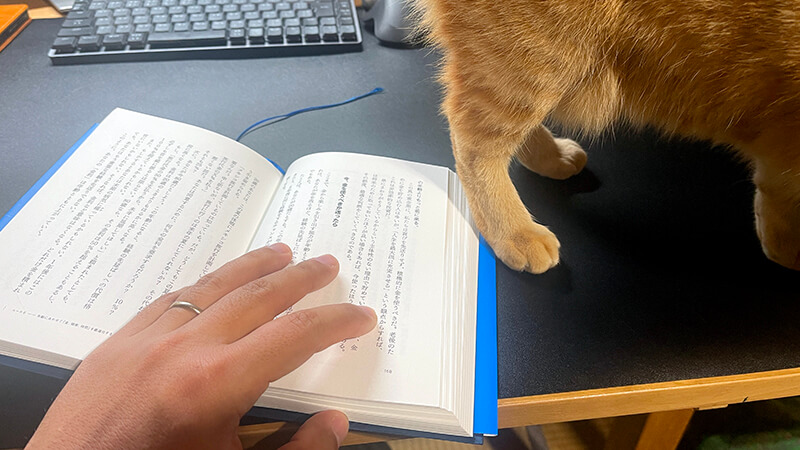
Whatever I want to read.
Books really are remarkable. Knowledge someone spent years acquiring, experiences that are hard to come by, thinking I could not have arrived at on my own — all of it arriving in your hands for the price of a few coffees.
Whatever I happen to be interested in. Sometimes related to work, often not. I read what I like.
Reading also leaves my hands free, so I use the face roller I permanently borrowed from my wife. I am not chasing a better face. My facial muscles stiffen up fast and I spend all day staring at screens, so the tension is real and I work on it daily.
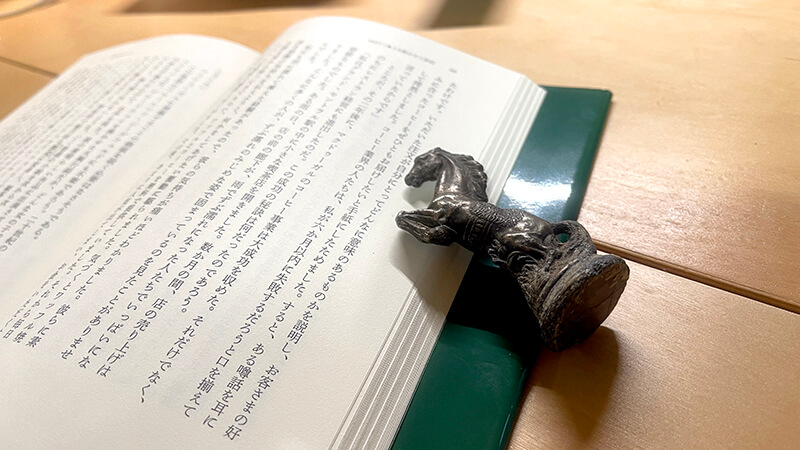
A chess-piece bottle opener a flatmate in Germany gave me turns out to be exactly the right weight for holding a book open.
6. Study (60 min)
These durations are two months on from the version in my earlier account of rebuilding my daily life: meditation went from three minutes to five, study from thirty to sixty. The routine kept moving.
Everything up to here happens without opening the laptop. Now it goes on, for study — sometimes from books, sometimes from courses on Udemy.
Mostly work-related, though sometimes it hits me that I have forgotten most of my English and I go and do that instead.
There is nothing quite like being able to do something you could not do before. Feeling yourself grow matters. Ten minutes a day is sixty hours in a year.
The point is what comes after
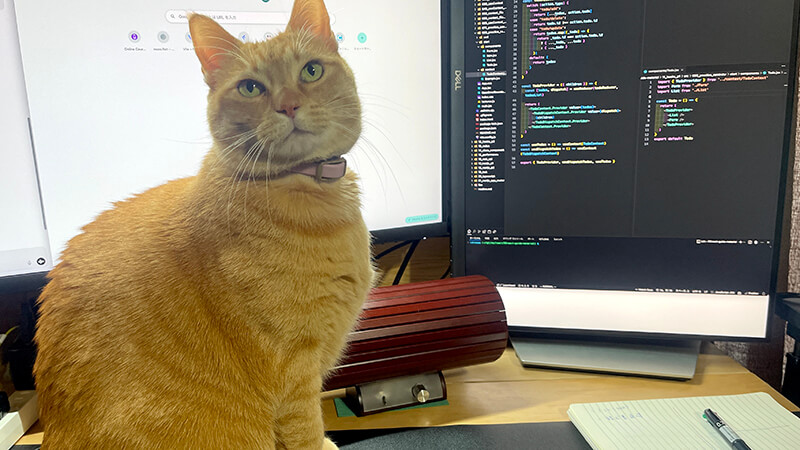
Once study is done, I write the day’s tasks in a notebook and start working through them. Only now do I look at email and chat.
It is about 7am at this point. Work begins. A good morning raises how satisfying the whole day feels.
When my wife and I go shopping in the afternoon, I used to be thinking about getting home to work. With the morning behind me the earlier work moves faster, and the afternoon has room in it.
The thing to hold onto: the routine exists to make what comes after it better. It is not an end in itself, and spending too much time on it defeats the point.
There is a genre of book and video that publishes the morning routines of wealthy people, implying you might become wealthy by copying them. I think this is nonsense. The odds are not literally zero, but you have a different brain, a different body, different circumstances and — if you like — a different fate.
Which applies to this article too. Take it as reference and find your own version. A routine is something you keep adjusting and sharpening, not something you install.